Vanishing Point
Series 2 · tokens #11–#200.02 ETH
0.02 ETH
0.02 ETH
0.02 ETH
0.02 ETH
0.02 ETH
0.02 ETH
0.02 ETH
0.02 ETH
0.02 ETH
Release 1 · Monday 23 November, 4pm GMT
Archipelago, Vanishing Point and Ridgeline
30 unique works · 0.02 ETH each
Mint opens in
Monday 23 November, 4pm GMTSelkie · 2026
“For every gauge choice a different picture of the same curvature is created giving one work endless versions.”Selkie
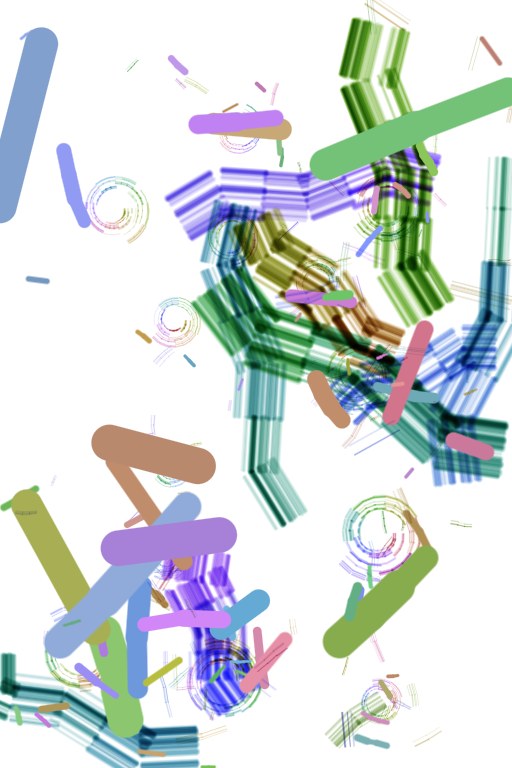
Each work begins as a painting. Gauge Orbit Studio reads it as a field, its pigment as density and its colour as phase, and rebuilds it with gauge physics. The result is measured back into brush strokes and becomes the next generation. Nine series grew this way from one composed starting image, ten generations each.
Presented by Hash Gallery
Generation 0
Every series starts from this one painting, composed in the studio for the physics: in its composer, rings of colour that turn through the whole hue circle wind the phase and seed vortices. Each piece is stored on Ethereum as a recipe, the brush gestures and every generation's settings, and an on-chain renderer rebuilds it exactly.
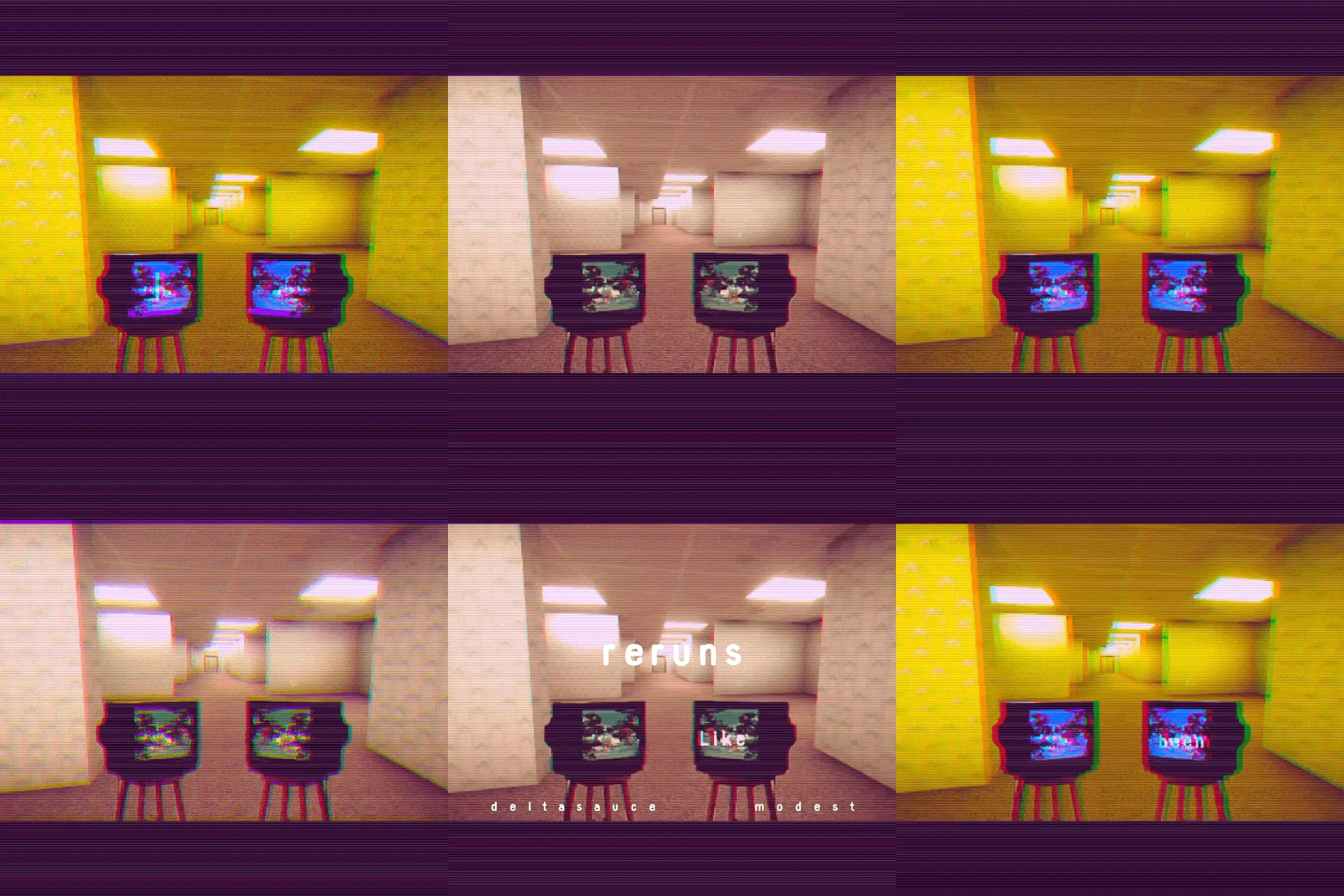
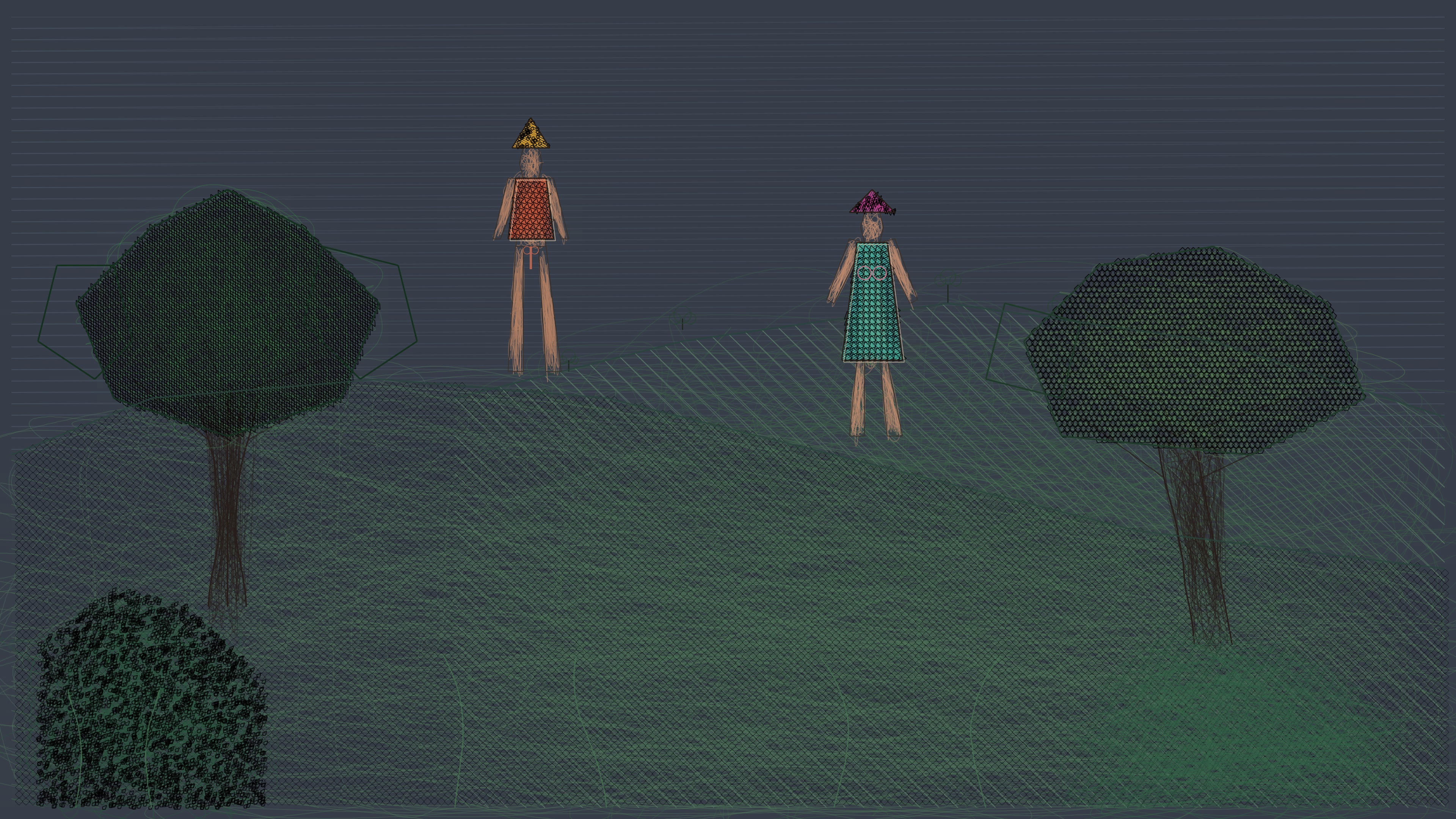
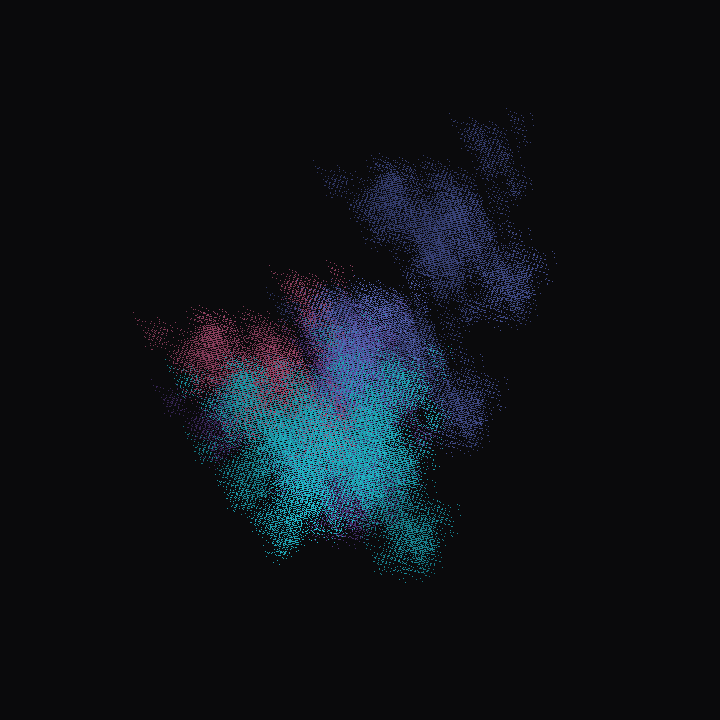
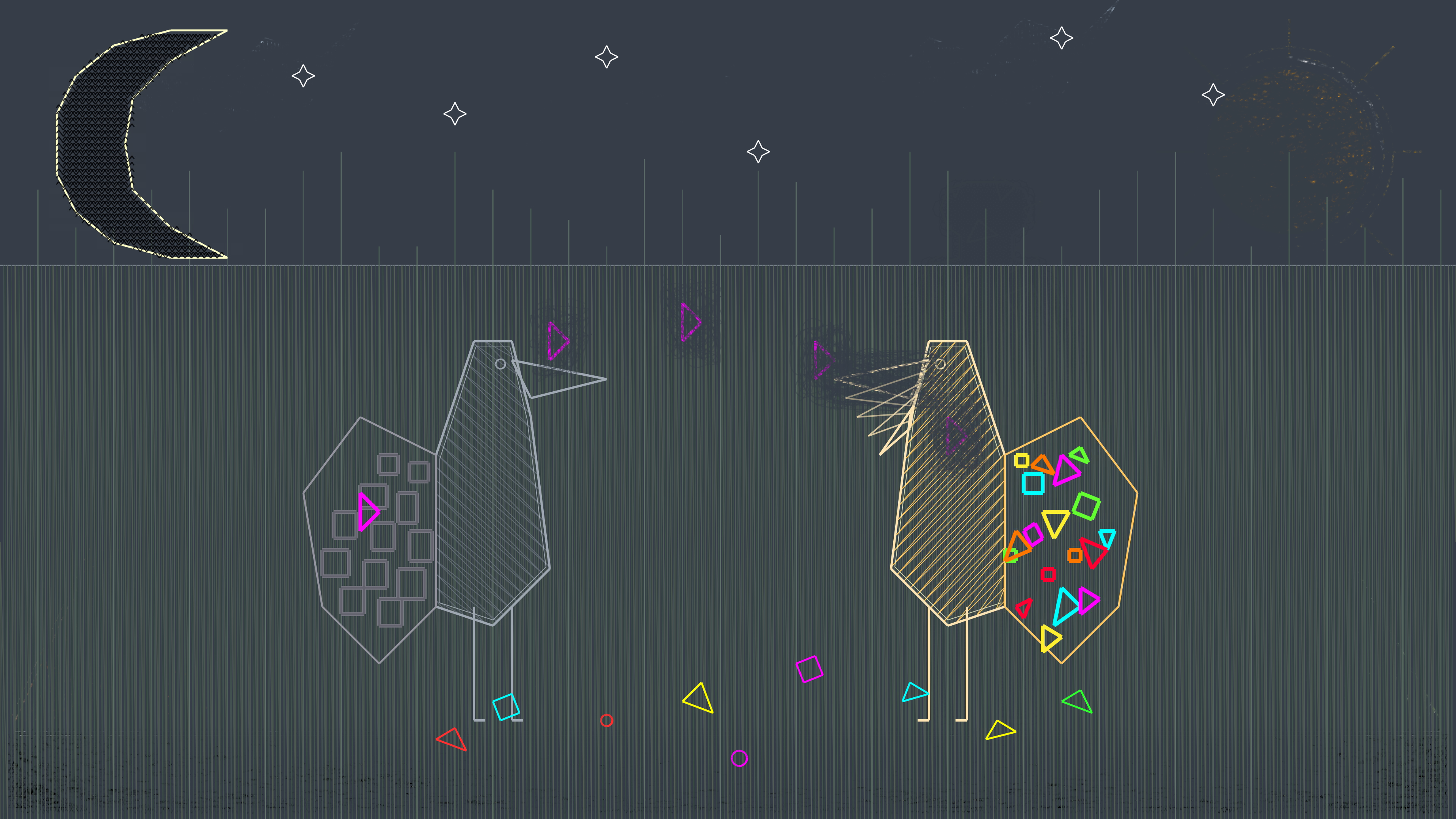
Each series is one branch of the lineage, shown in the order it was made, generation one to ten. The piece in motion orbits its gauge once every 15 seconds: the curvature stays fixed while the picture turns through its equally valid versions. Select any piece to see it in motion.
Release 1 · Monday 23 November, 4pm GMT
Thirty unique works, 0.02 ETH each. Choose the piece you want: every work is a single token, minted on Ethereum from the collection's own contract on ABX.
Released separately · date to be announced
Three Bodies, Eddy, Wingbeat, Comet, Droplets and Knot are part of the same lineage and will be released separately.
The studio the collection was made in, open to everyone. It opens in Simple mode: paint or start from the artwork, then regenerate and watch the physics rebuild it. Switch to Advanced for every control the collection was made with, from flux tubes to the field equations. Everything you make stays in your browser, and you can download images and animations. Works made here are yours; they are not part of the collection.
Best on a laptop or desktop. On a phone, open it in its own window.
Open the studio in its own windowThe maths is real: the fields, equations and invariants are computed as stated. The painting is not a quantum system. The physics works as a structured, repeatable grammar for making it.
1 · Read
Pigment density becomes the field's strength and each colour's hue becomes its phase, ψ = √ρ · eiθ.
2 · Curve
Tubes of curvature, placed by hand or laid out in rings, mirrors, kaleidoscopes and lattices, set a gauge field that paint is carried along. The order breaks as the tubes move.
3 · Evolve
The field evolves under the Ginzburg–Landau or Schrödinger equation, with turbulence and self-interaction, so marks spread, spiral, diffract and re-form.
4 · Measure
The field is sampled by the Born rule, P ∝ |ψ|², and each sample is drawn as a short stroke. That painting is the next generation.
Step sizes between generations are drawn from a heavy-tailed law: most are gentle, a few are not.
Release 1 mints on Monday 23 November, 4pm GMT: Archipelago, Vanishing Point and Ridgeline, 0.02 ETH each. The other six series will be released separately.